Food Security & Nutrition
LIDA supports sustainable agriculture practices and climate-smart farming to combat food insecurity and malnutrition in Kenya's rural and marginalized communities.
LIDA supports sustainable agriculture practices and climate-smart farming to combat food insecurity and malnutrition in Kenya's rural and marginalized communities.
Addressing food insecurity and malnutrition in Kenya through sustainable solutions
In Kenya, nearly 30% of the population faces food insecurity, and malnutrition remains a key issue, particularly in rural and marginalized areas.
LIDA supports sustainable agriculture practices and climate-smart farming to combat these challenges. The organization works to educate and empower small-scale farmers, many of whom struggle to access markets and face the impacts of climate change.
In 2018, Kenya faced severe drought conditions, resulting in crop failures and a significant increase in malnutrition. LIDA's initiatives aim to reduce these vulnerabilities and empower farmers with tools and knowledge for sustainable agriculture and better nutrition.
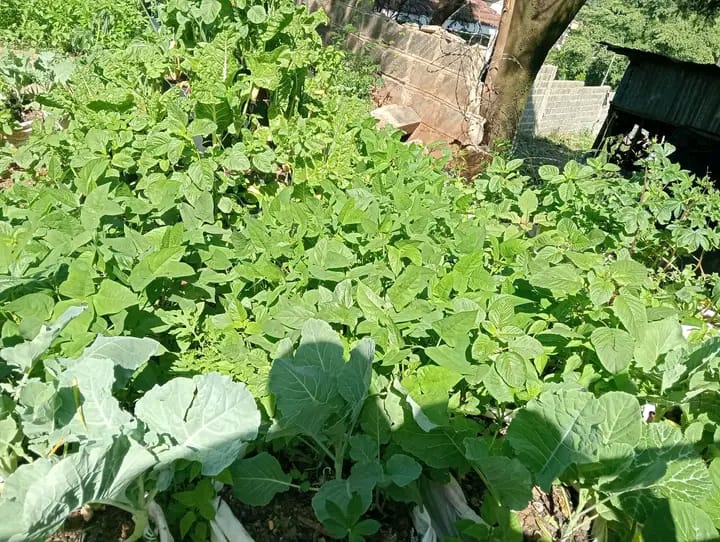
Training farmers on agricultural practices that are resilient to climate change, including drought-resistant crops and water conservation techniques.
Promoting balanced diets and proper nutrition through community workshops, cooking demonstrations, and school-based programs.
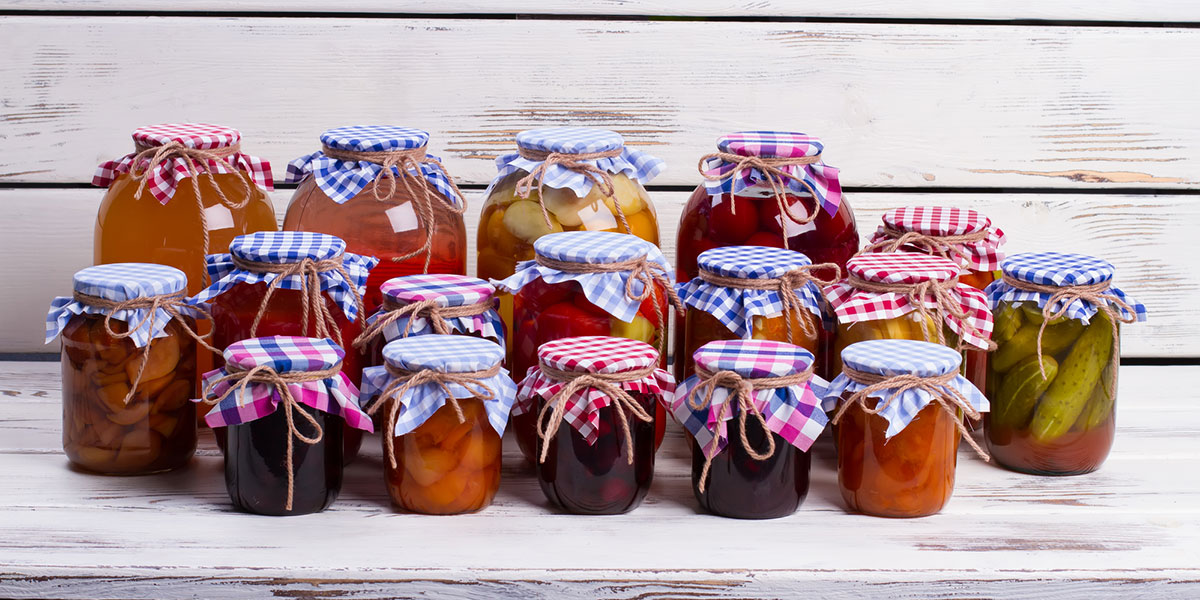
Connecting farmers to markets and training them on value addition techniques to increase income and reduce post-harvest losses.
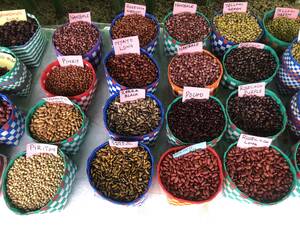
Establishing community-managed seed banks to preserve indigenous crop varieties and ensure seed availability during droughts.
Implementing rainwater harvesting, irrigation systems, and water conservation techniques to support year-round farming.
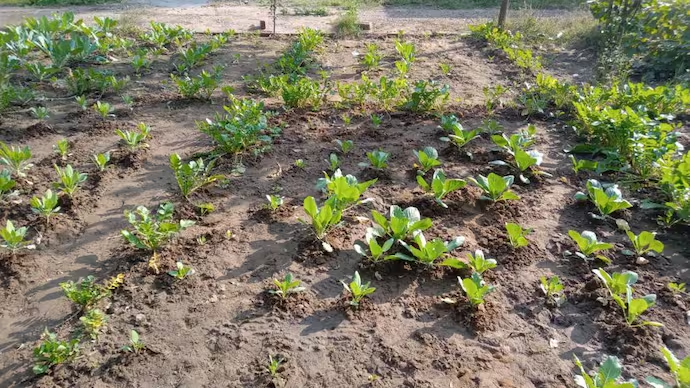
Establishing gardens in schools to improve student nutrition, teach agricultural skills, and promote healthy eating habits.
Understanding the obstacles to food security in Kenya
Unpredictable weather patterns, prolonged droughts, and floods are disrupting traditional farming cycles and reducing crop yields. The 2018 drought in Kenya resulted in widespread crop failures and food shortages.
Small-scale farmers often lack access to quality seeds, tools, irrigation systems, and agricultural inputs needed for productive farming. This limits their ability to grow enough food for their families.
Poor infrastructure, limited transportation, and lack of market information make it difficult for farmers to sell their produce at fair prices, reducing their income and food security.
Many farmers lack information about modern farming techniques, climate-smart agriculture, and proper nutrition, limiting their ability to adapt to changing conditions.
Inadequate storage facilities and limited knowledge of food preservation techniques lead to significant post-harvest losses, reducing food availability and farmer income.
Limited understanding of balanced nutrition and dietary diversity contributes to malnutrition, even in areas where food is available. Many families rely on staple crops with limited nutritional value.
Measurable results from our food security initiatives across Kenya
Small-scale farmers trained in sustainable agriculture practices
Average increase in crop yields for participating farmers
Communities with improved food security through our programs
Decrease in childhood malnutrition in target communities
How we work to improve food security and nutrition in Kenyan communities
We work directly with communities to understand their unique challenges and develop solutions that address their specific needs, ensuring local ownership and sustainability.
We use practical, hands-on training through farmer field schools where farmers learn by doing and can immediately apply new techniques on their own farms.
We address food security holistically, combining agricultural training with nutrition education, market access, and environmental conservation for comprehensive impact.
We collaborate with government agencies, research institutions, and private sector partners to leverage resources and expertise for maximum impact.
We respect and incorporate traditional farming knowledge, combining it with modern techniques to create sustainable and culturally appropriate solutions that farmers are more likely to adopt and maintain.
We collect and analyze data on agricultural productivity, nutrition outcomes, and market trends to continuously improve our programs and measure impact.
Key milestones in our food security and nutrition initiatives
Launched our first sustainable agriculture program in Machakos County, training 500 farmers in drought-resistant farming techniques.
Expanded our focus to include nutrition education, establishing community cooking demonstrations and school garden programs.
Mobilized resources to support communities affected by severe drought, providing emergency food aid while implementing long-term resilience strategies.
Launched our market access program, connecting farmer groups to buyers and training them in value addition techniques to increase income.
Expanded our climate-smart agriculture program to reach 10,000 farmers across five counties, focusing on water conservation and soil health.
Introduced digital tools for farmers, including weather forecasting apps, market information systems, and online training resources.
Real stories of transformation from the communities we serve
"Before LIDA came to our village, I could barely grow enough food to feed my family for six months of the year. Now, with the drought-resistant seeds and water harvesting techniques I've learned, I can feed my family year-round and even sell surplus produce at the market. My children are healthier, and I can afford their school fees."

"As a community health worker, I've seen the transformation in our village since LIDA's nutrition program began. Before, many children were malnourished despite families having food. The cooking demonstrations and kitchen gardens have changed everything. Mothers now know how to prepare balanced meals, and we're seeing healthier children and fewer hospital visits."

Your support can help us expand our food security initiatives and reach more vulnerable communities in Kenya. Together, we can create a future where no one goes hungry.