Environmental Conservation
LIDA works to restore ecosystems, promote climate resilience, and engage communities in sustainable environmental practices across Kenya.
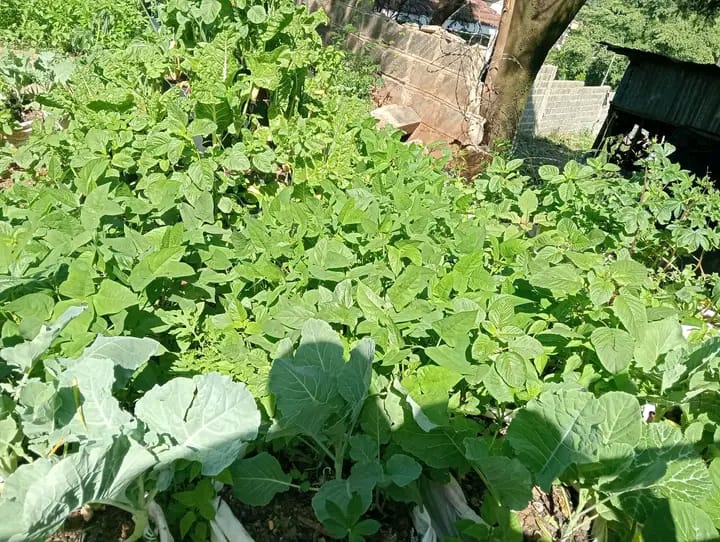
LIDA works to restore ecosystems, promote climate resilience, and engage communities in sustainable environmental practices across Kenya.
Addressing environmental degradation and climate change impacts in Kenya
Kenya's ecosystems face significant threats from deforestation, land degradation, and the effects of climate change.
The government has reported that over 70% of Kenya's land is classified as arid and semi-arid, exacerbating the impact of droughts.
LIDA's environmental programs focus on restoring ecosystems, promoting climate resilience, and engaging communities in sustainable practices. By supporting conservation efforts, LIDA helps mitigate the adverse effects of climate change, improve food security, and promote long-term environmental sustainability in Kenya.
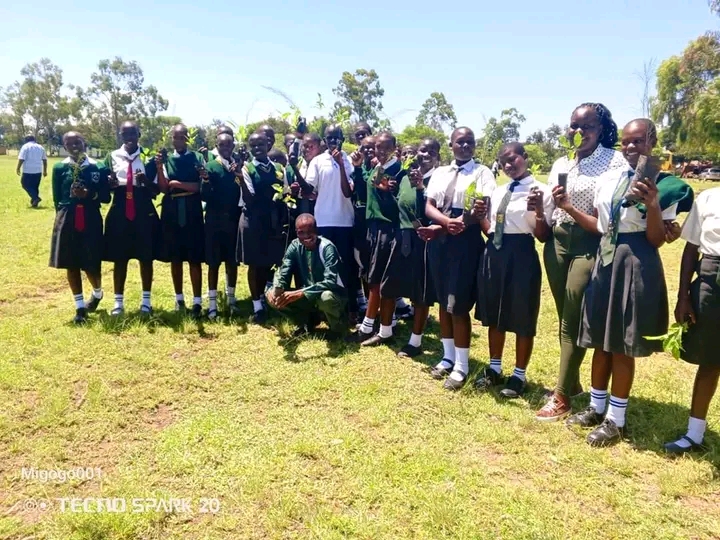
Implementing community-based tree planting programs to restore degraded forests, enhance biodiversity, and improve watershed management.
Training farmers in sustainable agricultural practices that conserve soil, water, and biodiversity while improving resilience to climate change.
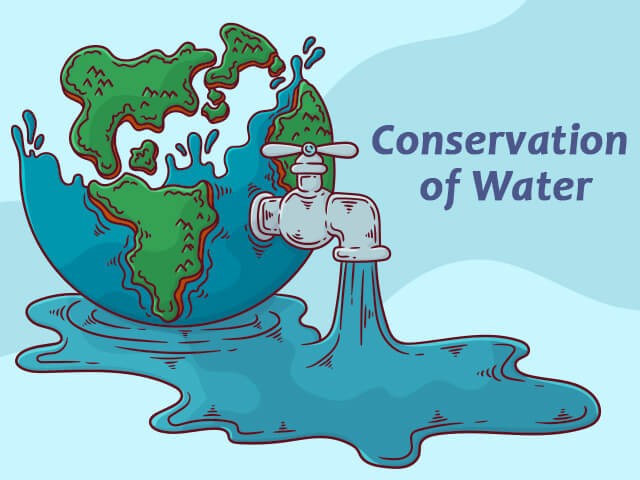
Implementing rainwater harvesting, watershed protection, and water management systems to address water scarcity in arid and semi-arid regions.
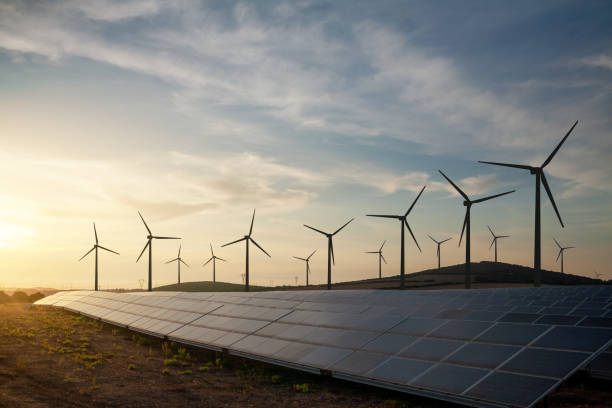
Promoting clean energy solutions such as solar power, energy-efficient cookstoves, and biogas to reduce deforestation and carbon emissions.

Conducting awareness programs in schools and communities to promote environmental stewardship and sustainable resource management.
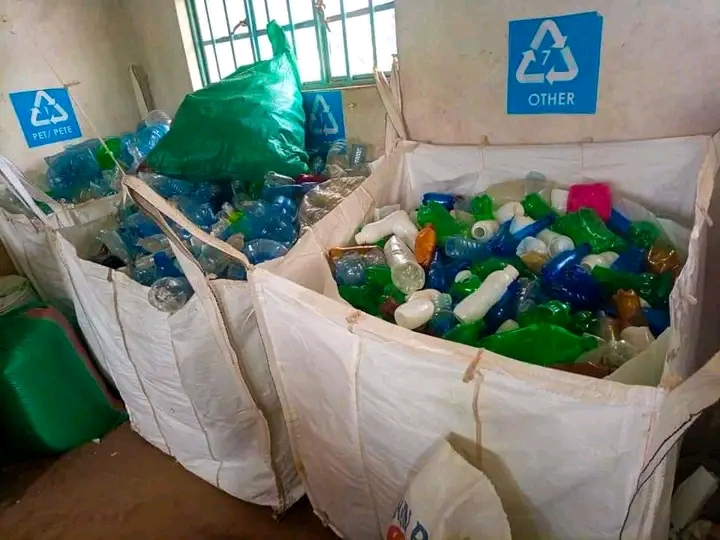
Implementing community-based waste reduction, recycling, and composting programs to address pollution and create economic opportunities.
Understanding the environmental threats facing Kenya's ecosystems
Kenya loses approximately 50,000 hectares of forest annually due to agricultural expansion, logging, and charcoal production, threatening biodiversity and water sources.
Increasing temperatures, unpredictable rainfall patterns, and more frequent extreme weather events are affecting agricultural productivity and water availability.
With 70% of Kenya classified as arid or semi-arid, water scarcity affects millions of people, particularly in rural areas, limiting agricultural production and access to clean water.
Soil erosion, overgrazing, and unsustainable farming practices have led to widespread land degradation, reducing agricultural productivity and ecosystem health.
Inadequate waste management systems lead to pollution of water bodies, soil contamination, and health hazards, particularly in urban and peri-urban areas.
Insufficient knowledge about sustainable environmental practices and the importance of conservation limits community engagement in environmental protection efforts.
Measurable results from our environmental conservation initiatives across Kenya
Native trees planted through our reforestation programs
Farmers practicing climate-smart agriculture techniques
Households using renewable energy solutions
Communities with improved water conservation systems
How we work to conserve the environment and promote sustainability in Kenyan communities
We involve local communities in identifying environmental challenges and developing sustainable solutions that address their specific needs.
We provide comprehensive environmental education and skills training to empower communities to adopt sustainable practices.
We collaborate with government agencies, research institutions, and other stakeholders to leverage resources and expertise for maximum impact.
We implement practical, science-based restoration projects that rehabilitate degraded ecosystems and enhance biodiversity conservation.
We promote appropriate technologies and innovative solutions that address environmental challenges while creating economic opportunities.
We track the impact of our environmental initiatives to ensure effectiveness, learn from outcomes, and continuously improve our approaches.
Key milestones in our environmental conservation initiatives
Launched our first community reforestation project in the Aberdare Range, planting 10,000 indigenous trees with local communities.
Established our climate-smart agriculture program, training 1,500 farmers in sustainable farming techniques across three counties.
Launched our renewable energy program, introducing solar power and energy-efficient cookstoves to reduce deforestation in rural communities.
Implemented watershed protection and rainwater harvesting systems in 25 communities across arid and semi-arid regions of Kenya.
Established our school environmental education program, reaching 150 schools and promoting environmental stewardship among youth.
Launched community-based waste management and recycling programs in urban and peri-urban areas, creating green jobs and reducing pollution.
Real stories of transformation from the communities we serve
"Before LIDA introduced climate-smart agriculture in our village, we struggled with poor harvests due to unpredictable rainfall. Now, with water conservation techniques and drought-resistant crops, our yields have doubled even in dry seasons. My family now has food security and a sustainable income from selling surplus produce."

"Our community has been part of LIDA's reforestation program for five years. We've planted over 20,000 trees on previously degraded hillsides. Now, our springs that had dried up are flowing again, soil erosion has decreased, and we're seeing wildlife return to the area. The forest also provides sustainable income through beekeeping and eco-tourism."

Your support can help us expand our environmental conservation initiatives and reach more communities in Kenya. Together, we can create a sustainable future for generations to come.